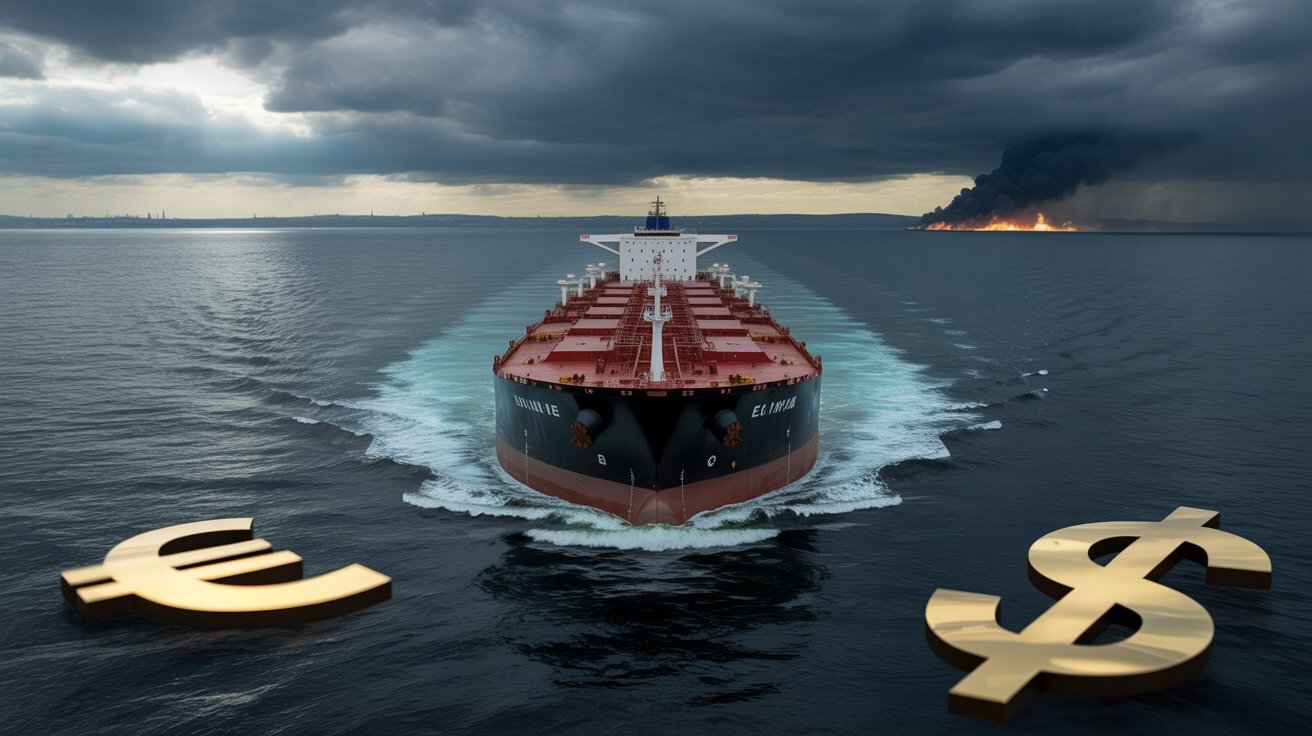
The European Union will continue to import Russian oil and gas until 2028, the bloc’s energy chief told Reuters on Friday. Despite sanctions and efforts to diversify supply, Russian fuel exports remain a major source of revenue for Moscow.
EU Energy Commissioner Dan Jorgensen confirmed that the European Union is negotiating legal proposals to phase out imports of Russian oil and gas by January 1, 2028.
“Not only has Putin weaponised energy against us, blackmailed member states, we are actually also indirectly helping finance Putin’s war, and that needs to stop,” Jorgensen said. He added that support from international partners, including the United States, would align with the EU’s main objective.
Hungary and Slovakia currently import around 200,000 to 250,000 barrels per day of Russian oil, representing about 3% of EU oil demand. Both countries continue to receive Russian crude through the Druzhba pipeline and have opposed the EU’s phase-out plan, citing concerns over higher energy prices.
While oil imports are declining, EU purchases of Russian gas remain significant. Europe is expected to buy approximately 13% of its gas from Russia this year, down from about 45% before Russia’s full-scale invasion of Ukraine in 2022, according to EU data.
Jorgensen said he was in discussions with Hungary and Slovakia regarding their objections but noted that the EU could approve the phase-out plan without unanimity. He did not confirm whether Brussels would provide financial support or legal guarantees to secure their agreement.
“If, for domestic reasons, there are countries that don’t feel that they can support it, then this is not something that demands unanimity,” he said.
Jorgensen will meet U.S. Energy Secretary Chris Wright in Brussels next week to discuss the EU’s commitment to purchase $250 billion worth of U.S. energy supplies annually under the U.S.-EU trade deal.
EU Energy Commissioner Dan Jorgensen confirmed that the European Union is negotiating legal proposals to phase out imports of Russian oil and gas by January 1, 2028.
“Not only has Putin weaponised energy against us, blackmailed member states, we are actually also indirectly helping finance Putin’s war, and that needs to stop,” Jorgensen said. He added that support from international partners, including the United States, would align with the EU’s main objective.
Hungary and Slovakia currently import around 200,000 to 250,000 barrels per day of Russian oil, representing about 3% of EU oil demand. Both countries continue to receive Russian crude through the Druzhba pipeline and have opposed the EU’s phase-out plan, citing concerns over higher energy prices.
While oil imports are declining, EU purchases of Russian gas remain significant. Europe is expected to buy approximately 13% of its gas from Russia this year, down from about 45% before Russia’s full-scale invasion of Ukraine in 2022, according to EU data.
Jorgensen said he was in discussions with Hungary and Slovakia regarding their objections but noted that the EU could approve the phase-out plan without unanimity. He did not confirm whether Brussels would provide financial support or legal guarantees to secure their agreement.
“If, for domestic reasons, there are countries that don’t feel that they can support it, then this is not something that demands unanimity,” he said.
Jorgensen will meet U.S. Energy Secretary Chris Wright in Brussels next week to discuss the EU’s commitment to purchase $250 billion worth of U.S. energy supplies annually under the U.S.-EU trade deal.