Google Cloud is stepping deeper into the blockchain space with the introduction of a new Layer 1 network, the Google Cloud Universal Ledger (GCUL), designed specifically for financial institutions.
Rich Widmann, head of Web3 strategy at Google Cloud, outlined the project in a recent LinkedIn post, describing GCUL as a high-performance, credibly neutral infrastructure layer built to support tokenization and next-generation payment systems.
Built for Finance, Powered by Python
Unlike many existing blockchain platforms, GCUL is distinguished by its Python-based smart contracts, a feature meant to align with the tools already used by global developers and financial institutions. Google positions the ledger as a system that balances performance, security, and neutrality—making it suitable for integration into the highly regulated world of institutional finance.
CME Group Testing the Rails
GCUL is already being piloted by the CME Group, one of the world’s largest commodities exchanges. CME has confirmed it has completed an initial phase of trials using GCUL for tokenization and settlement workflows, with further testing planned alongside market participants in 2025.
The goal is to modernize settlement, collateral, and fee processes, streamlining operations across institutional markets. If successful, a broader rollout could begin in 2026.
A Neutral Alternative
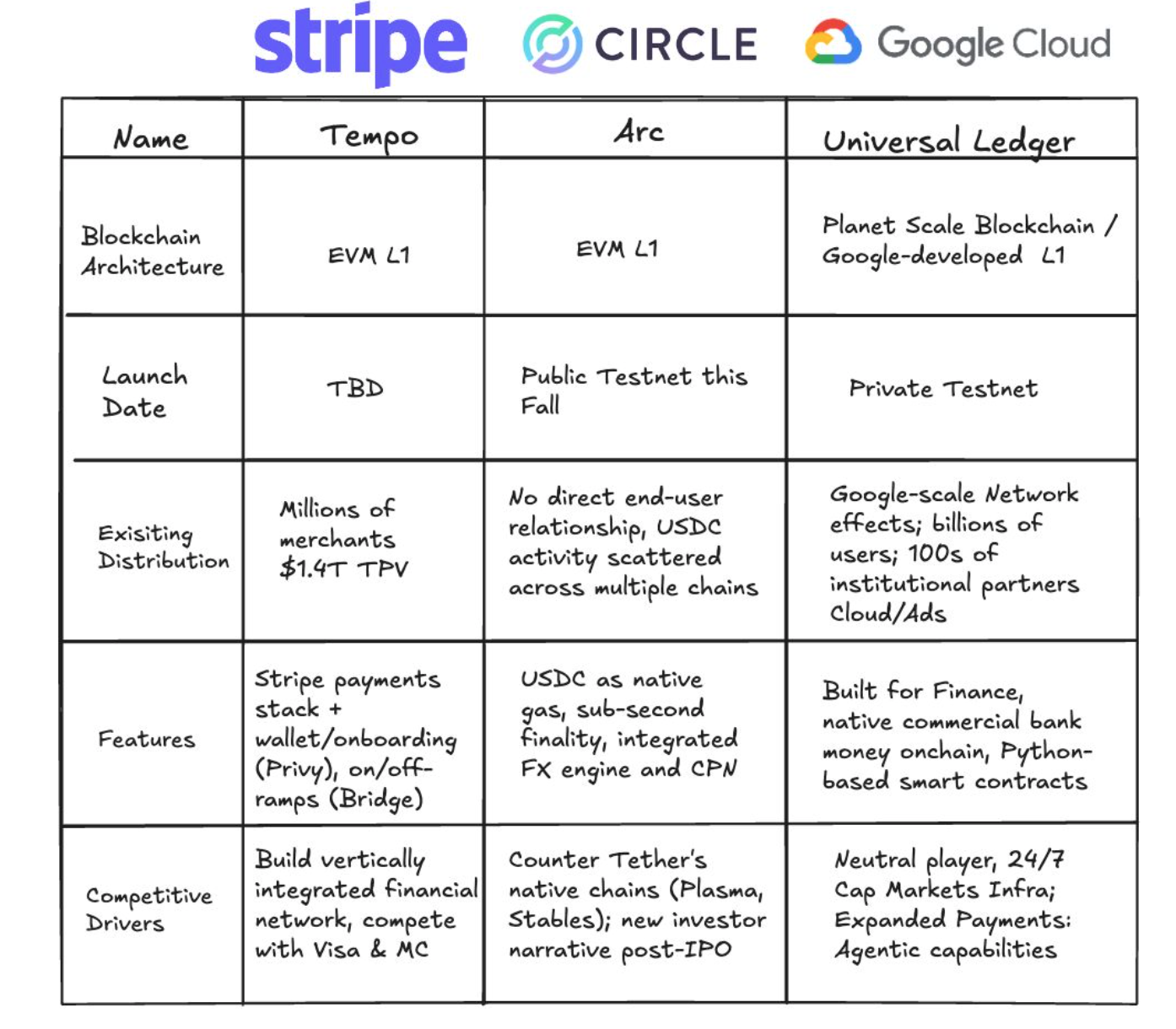
Widmann contrasted GCUL with platforms like Stripe’s Tempo and Circle’s Arc, which are closely tied to their parent companies’ payment systems. By contrast, he emphasized that GCUL is being built as neutral infrastructure, accessible to any bank, payments provider, or financial institution seeking to deploy tokenization at scale.
A Quiet Race for the Next Rails of Finance
The pilot signals a growing race among technology giants and fintech providers to capture the infrastructure layer for tokenized assets and digital settlement. While timelines remain fluid, the collaboration between Google Cloud and CME highlights the accelerating momentum toward a blockchain-powered backbone for institutional finance.
For now, the industry is watching closely: if GCUL delivers on neutrality and performance, it could reshape how global financial markets clear and settle value.
Rich Widmann, head of Web3 strategy at Google Cloud, outlined the project in a recent LinkedIn post, describing GCUL as a high-performance, credibly neutral infrastructure layer built to support tokenization and next-generation payment systems.
Built for Finance, Powered by Python
Unlike many existing blockchain platforms, GCUL is distinguished by its Python-based smart contracts, a feature meant to align with the tools already used by global developers and financial institutions. Google positions the ledger as a system that balances performance, security, and neutrality—making it suitable for integration into the highly regulated world of institutional finance.
CME Group Testing the Rails
GCUL is already being piloted by the CME Group, one of the world’s largest commodities exchanges. CME has confirmed it has completed an initial phase of trials using GCUL for tokenization and settlement workflows, with further testing planned alongside market participants in 2025.
The goal is to modernize settlement, collateral, and fee processes, streamlining operations across institutional markets. If successful, a broader rollout could begin in 2026.
A Neutral Alternative
Widmann contrasted GCUL with platforms like Stripe’s Tempo and Circle’s Arc, which are closely tied to their parent companies’ payment systems. By contrast, he emphasized that GCUL is being built as neutral infrastructure, accessible to any bank, payments provider, or financial institution seeking to deploy tokenization at scale.
A Quiet Race for the Next Rails of Finance
The pilot signals a growing race among technology giants and fintech providers to capture the infrastructure layer for tokenized assets and digital settlement. While timelines remain fluid, the collaboration between Google Cloud and CME highlights the accelerating momentum toward a blockchain-powered backbone for institutional finance.
For now, the industry is watching closely: if GCUL delivers on neutrality and performance, it could reshape how global financial markets clear and settle value.