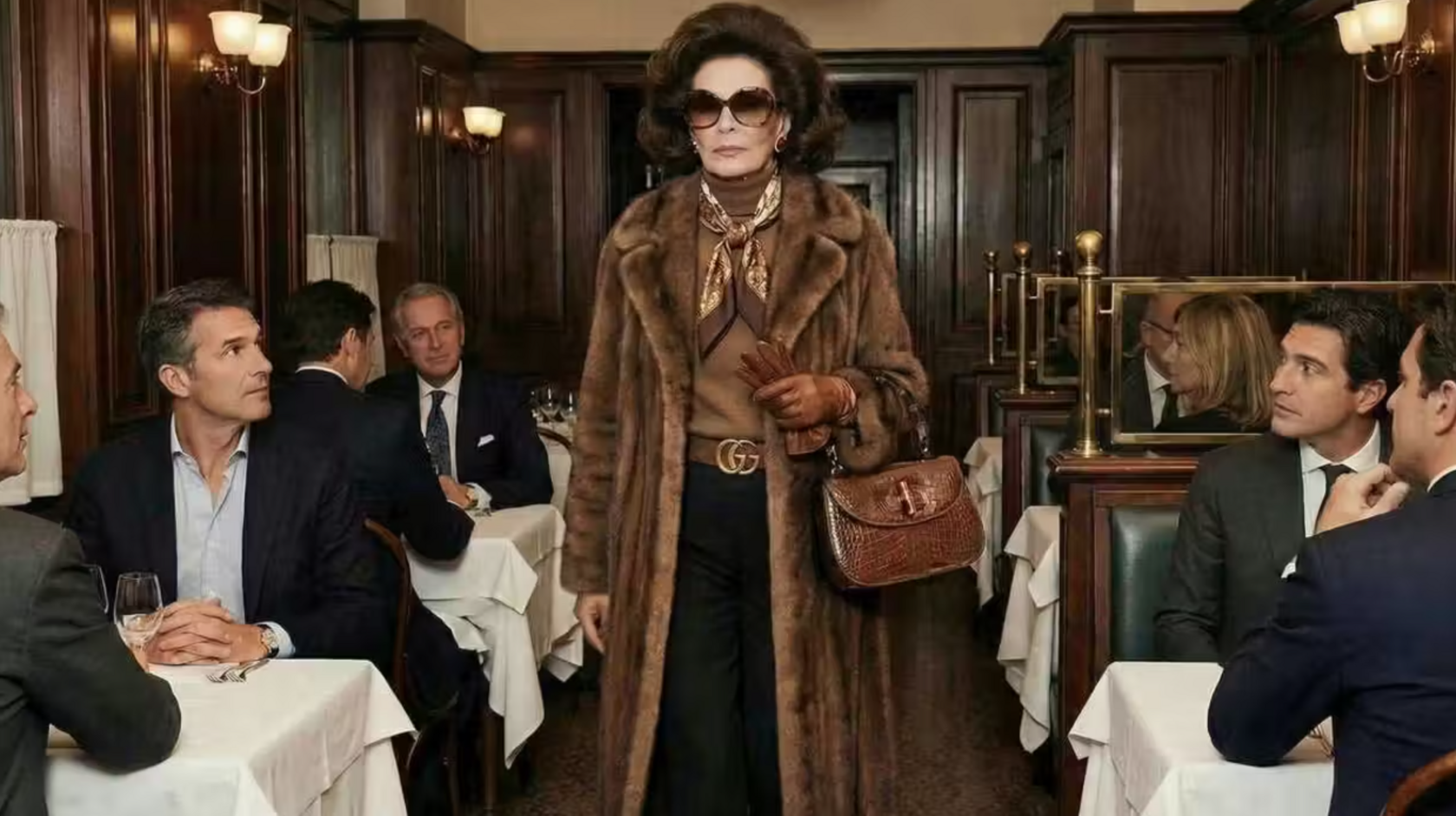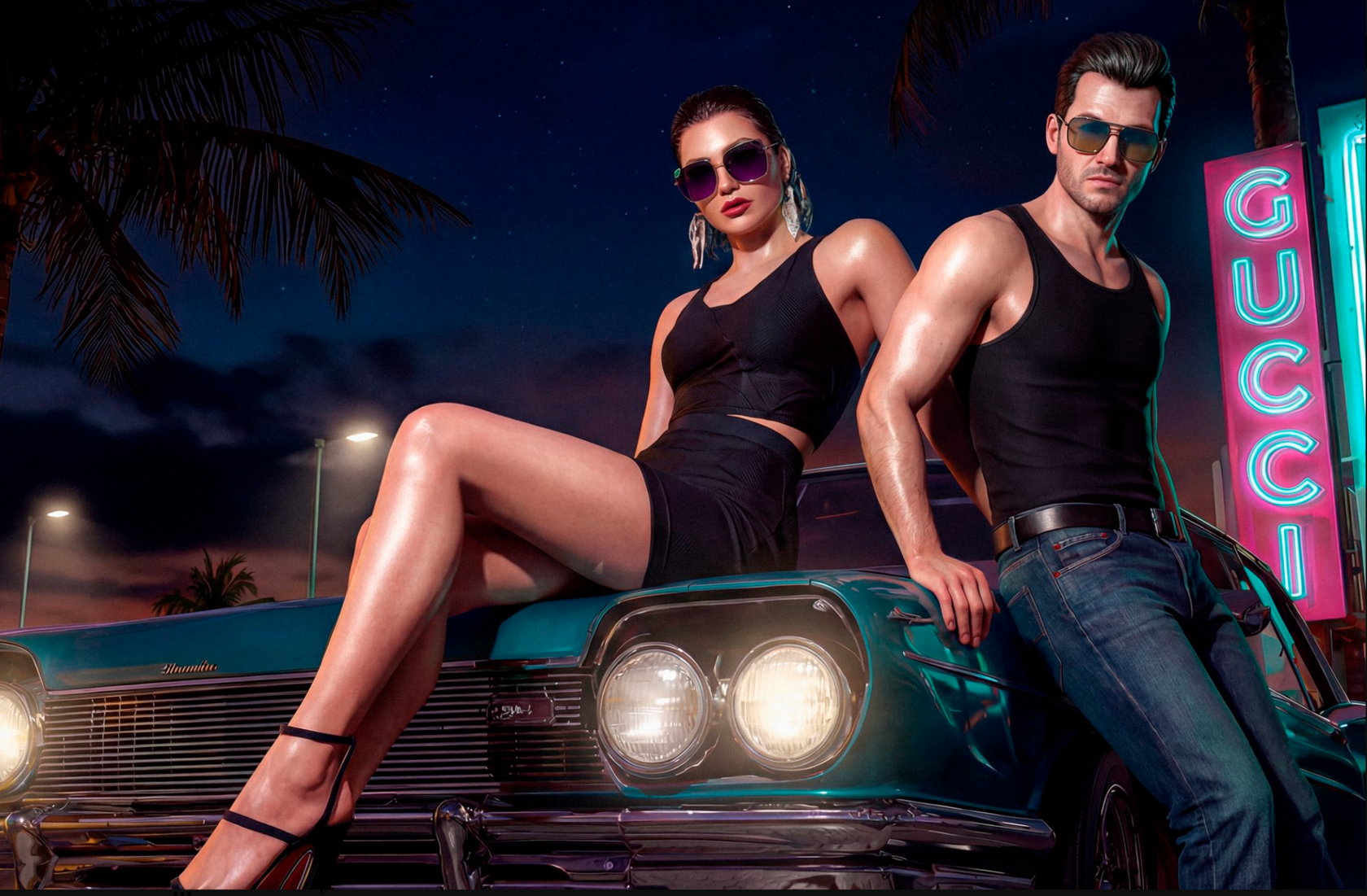
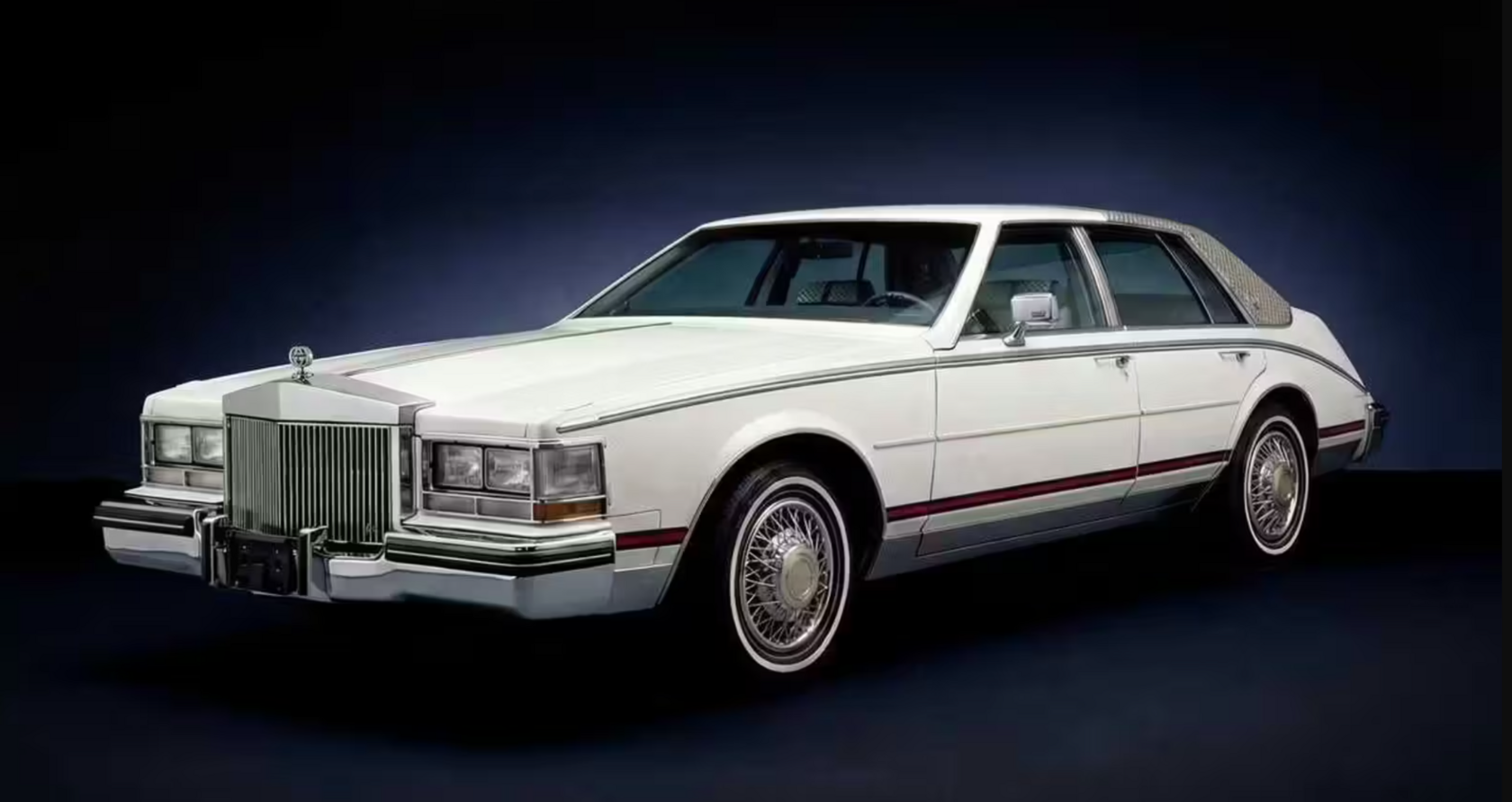
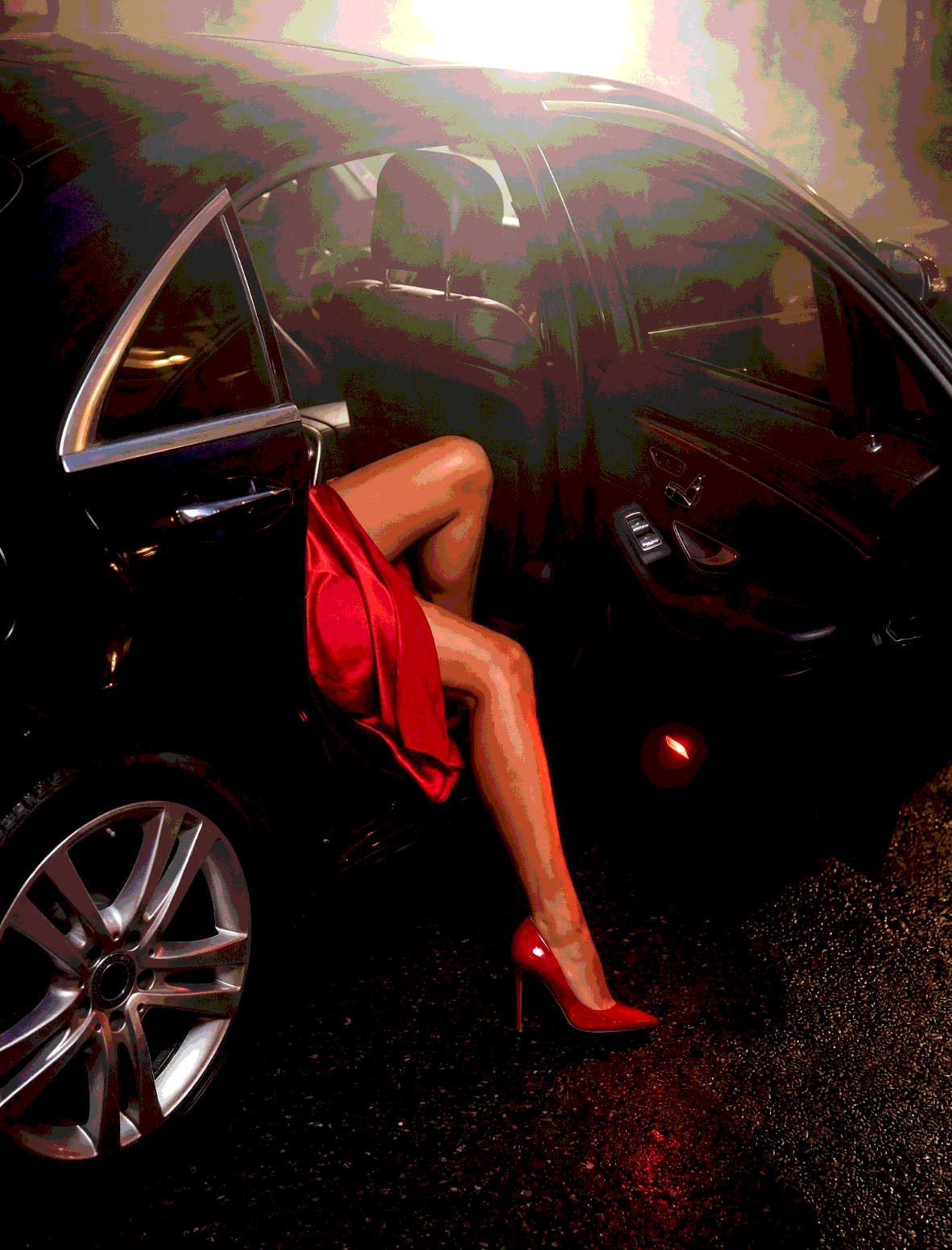
Gucci posted four AI-generated images on social channels in the days before its February 27, 2026, runway show – Demna Gvasalia’s first for the brand. Every post carries the caption “Created with AI.” Scenes show a Milanese woman in fur inside a restaurant, reworked versions of the 1984 Gucci Cadillac, legs stepping from a car, models against a night sky, and one animated sequence styled like Grand Theft Auto in a Gucci-branded Vice City.

Backlash and optics
The reaction was immediate and negative. Coverage across BBC, Business Insider, Fast Company and social platforms called the output “AI slop” and questioned the fit for a house that charges premium prices on the promise of craftsmanship and human artistry. Common point: if the marketing is synthetic and cheap to produce, what does that say about the €2,000+ bags and apparel on the other side of the transaction?
The reaction was immediate and negative. Coverage across BBC, Business Insider, Fast Company and social platforms called the output “AI slop” and questioned the fit for a house that charges premium prices on the promise of craftsmanship and human artistry. Common point: if the marketing is synthetic and cheap to produce, what does that say about the €2,000+ bags and apparel on the other side of the transaction?
Financial context that matters
Kering released full-year 2025 results on February 10. Gucci revenue came in at €6 billion – down 22% reported and 19% on a comparable basis. Direct retail sales fell 18%. The brand remains the largest contributor to group results, which themselves posted €14.7 billion revenue (down 13% reported, 10% comparable) and recurring operating income down 33%.
Q4 showed the first sequential improvement: group comparable sales –3%, Gucci –10% versus analyst expectations of –12%. New CEO Luca de Meo (in role since 2025) has already closed net 75 stores in 2025 and signalled more reductions, inventory discipline, and a 2026 target of group revenue growth plus margin expansion. The Demna appointment (July 2025 start) and this week’s show are the first major creative inflection points under the reset.
Kering released full-year 2025 results on February 10. Gucci revenue came in at €6 billion – down 22% reported and 19% on a comparable basis. Direct retail sales fell 18%. The brand remains the largest contributor to group results, which themselves posted €14.7 billion revenue (down 13% reported, 10% comparable) and recurring operating income down 33%.
Q4 showed the first sequential improvement: group comparable sales –3%, Gucci –10% versus analyst expectations of –12%. New CEO Luca de Meo (in role since 2025) has already closed net 75 stores in 2025 and signalled more reductions, inventory discipline, and a 2026 target of group revenue growth plus margin expansion. The Demna appointment (July 2025 start) and this week’s show are the first major creative inflection points under the reset.
Cost versus brand equity trade-off
On the P&L, the decision is straightforward. Traditional campaign shoots require models, locations, photographers, post-production. Generative AI delivers multiple iterations at near-zero marginal cost and in hours, not days. Gucci has also run an AI Snapchat Lens this month – incremental testing, not hidden deployment.
The counter-risk sits in the intangible column. Luxury gross margins of 60-70%+ rest on perceived scarcity, heritage and human effort. Visible use of low-quality generative output in consumer-facing work can erode that premium positioning faster than it saves on production. Early data here: high engagement volume, sharply negative sentiment skew among core luxury commenters.
Demna’s track record at Balenciaga included deliberate provocation. The GTA-style visual may be intentional signal of a more ironic, pop direction rather than accidental slop. Even so, the physical collection shown tomorrow will carry far more weight than teaser assets.
On the P&L, the decision is straightforward. Traditional campaign shoots require models, locations, photographers, post-production. Generative AI delivers multiple iterations at near-zero marginal cost and in hours, not days. Gucci has also run an AI Snapchat Lens this month – incremental testing, not hidden deployment.
The counter-risk sits in the intangible column. Luxury gross margins of 60-70%+ rest on perceived scarcity, heritage and human effort. Visible use of low-quality generative output in consumer-facing work can erode that premium positioning faster than it saves on production. Early data here: high engagement volume, sharply negative sentiment skew among core luxury commenters.
Demna’s track record at Balenciaga included deliberate provocation. The GTA-style visual may be intentional signal of a more ironic, pop direction rather than accidental slop. Even so, the physical collection shown tomorrow will carry far more weight than teaser assets.

Investor lens
Kering shares rose sharply after the Q4 print on the beat and 2026 guidance. Consensus now models roughly 5% group sales growth for the year, with Gucci stabilisation as the key variable. The AI episode is a low-dollar execution detail but a high-visibility test of priorities during the turnaround.
Key metrics to watch post-show:
Kering shares rose sharply after the Q4 print on the beat and 2026 guidance. Consensus now models roughly 5% group sales growth for the year, with Gucci stabilisation as the key variable. The AI episode is a low-dollar execution detail but a high-visibility test of priorities during the turnaround.
Key metrics to watch post-show:
- Q1 2026 sell-through and full-price mix
- Social authenticity scores
- Wholesale orders
- Regional demand split (North America, Greater China, Europe)
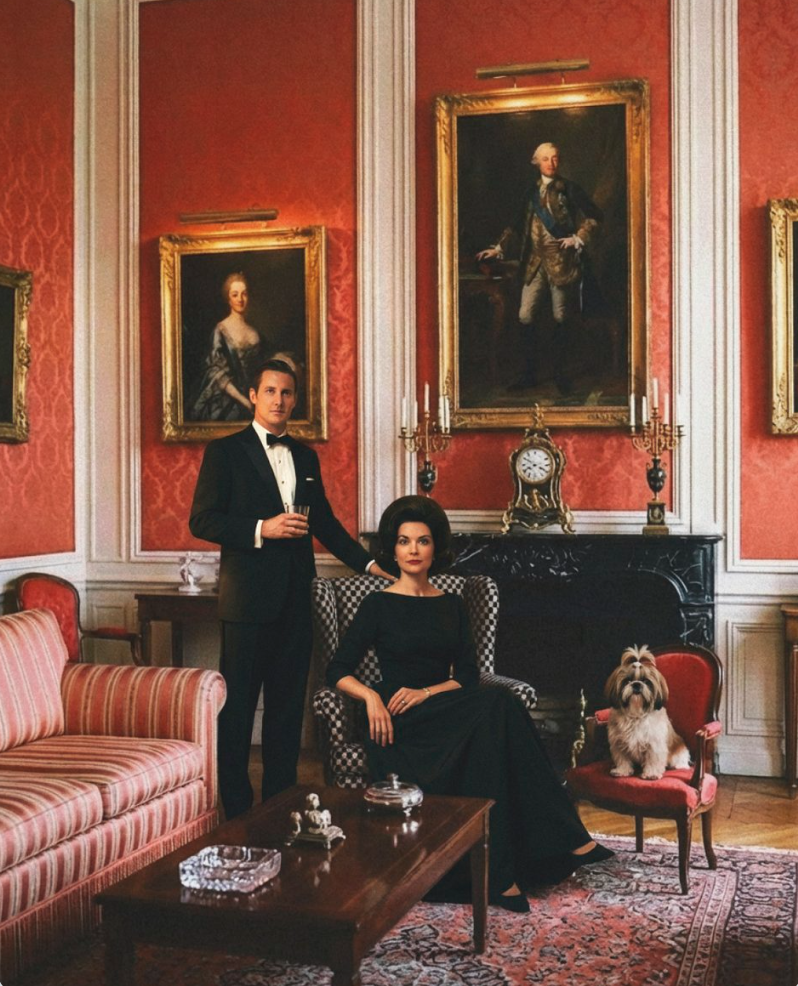
AI will continue to enter fashion operations – design iteration, supply chain, back-office. The distinction for luxury houses is where it stops: invisible efficiencies versus customer-visible creative that undercuts the brand’s own narrative.
This specific campaign has landed poorly with the audience that pays the bills. Execution on the runway and subsequent product performance will decide whether the experiment was cost discipline or unnecessary noise. For Kering investors, the 2026 numbers remain the only scoreboard that counts.
This specific campaign has landed poorly with the audience that pays the bills. Execution on the runway and subsequent product performance will decide whether the experiment was cost discipline or unnecessary noise. For Kering investors, the 2026 numbers remain the only scoreboard that counts.