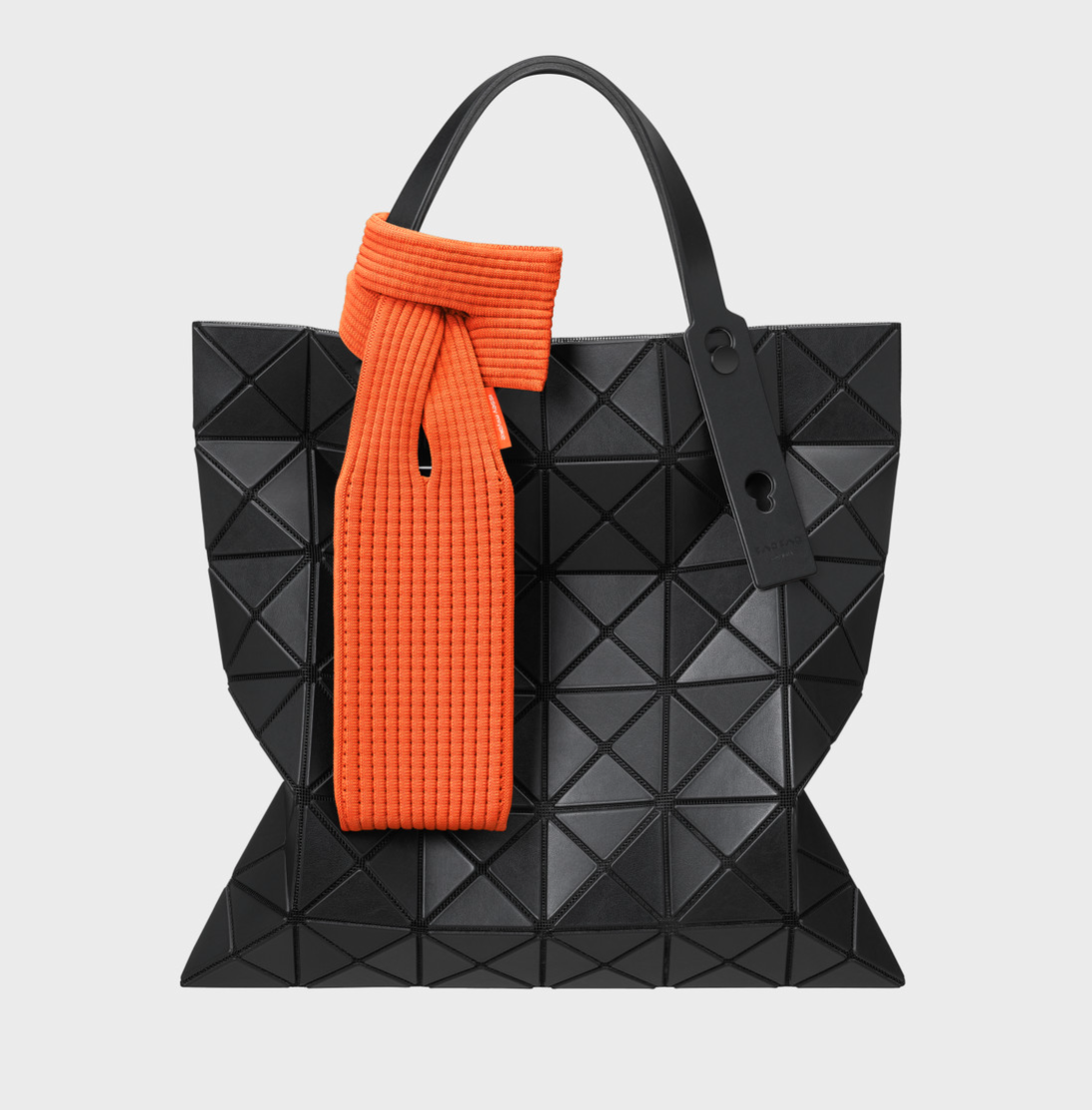
Apple launched its first major fashion collaboration in a decade with the iPhone Pocket, a 3D-knitted accessory from Japanese label Issey Miyake. Released today at $149.95 for the shorter version and $229.95 for the longer, the product sold out across all variants on apple.com in the U.S. within hours of availability. This rapid depletion underscores Apple's ability to leverage scarcity and brand partnerships for premium pricing in its accessories segment.
Product Overview and Design Rationale
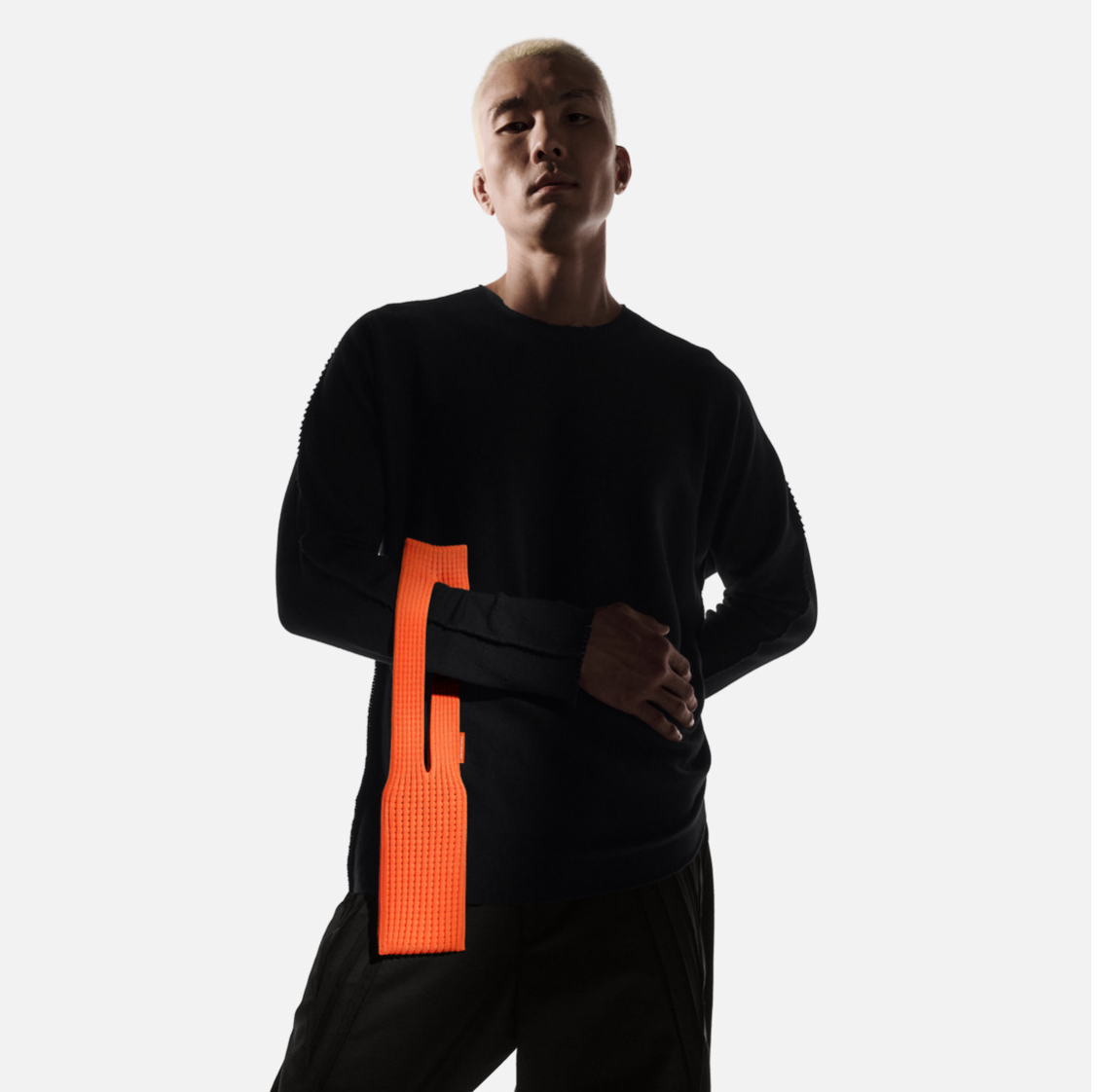
The iPhone Pocket is a flexible, single-piece knit enclosure designed to hold any iPhone model, from the original to the iPhone 17 Pro Max, as well as other small items like AirPods or keys. Drawing from Issey Miyake's "a piece of cloth" philosophy, it uses advanced 3D knitting for a seamless, stretchable fit. Eight colors are available for the short version, with three for the long.
This marks Apple's return to fashion tie-ups since the 2015 Apple Watch Hermès edition, which bundled a leather strap and achieved similar quick sell-outs through exclusivity. The current release carries a "Special Edition" label, signaling limited stock to drive urgency.
Product Overview and Design Rationale
The iPhone Pocket is a flexible, single-piece knit enclosure designed to hold any iPhone model, from the original to the iPhone 17 Pro Max, as well as other small items like AirPods or keys. Drawing from Issey Miyake's "a piece of cloth" philosophy, it uses advanced 3D knitting for a seamless, stretchable fit. Eight colors are available for the short version, with three for the long.
This marks Apple's return to fashion tie-ups since the 2015 Apple Watch Hermès edition, which bundled a leather strap and achieved similar quick sell-outs through exclusivity. The current release carries a "Special Edition" label, signaling limited stock to drive urgency.
Demand Drivers and Market Execution
U.S. stock vanished by mid-afternoon, with international availability mixed: the UK site shows short versions in stock but longs depleted. Factors contributing to the sell-out include:
Early social feedback highlights the strategy's edge: while some dismissed it as overpriced, the target demographic—fashion-forward iPhone users—prioritized the collaboration's cachet over cost.
U.S. stock vanished by mid-afternoon, with international availability mixed: the UK site shows short versions in stock but longs depleted. Factors contributing to the sell-out include:
- Brand Synergy: Issey Miyake's reputation for innovative textiles appeals to Apple's high-end customer base, justifying prices that exceed those of the HomePod mini ($99), AirTag ($29), or Apple TV 4K ($129).
- Scarcity Model: Limited production volumes create FOMO without overcommitting inventory, minimizing risk while maximizing per-unit revenue.
- Broad Utility: Compatibility across iPhone generations taps into Apple's 2.2 billion active device base, broadening appeal beyond new buyers.
Early social feedback highlights the strategy's edge: while some dismissed it as overpriced, the target demographic—fashion-forward iPhone users—prioritized the collaboration's cachet over cost.